

The Human Blueprint
From birth to around age six, our brains absorb everything from our environment, the good and the bad, before we have the ability to question and understand its impact on our lives.

From the moment the human heart starts beating, even before birth, the brain begins its lifelong journey of learning. But this early education doesn’t look like a classroom. It’s more like a sponge, soaking up everything around it. Before we even have the ability to think critically, our minds are imprinted with the world’s lessons, shaping how we will see, think, and feel for the rest of our lives. The fascinating—and sometimes troubling—part is that this happens before we even realize it. How do we break free from this unconscious programming, and what are the limits of the tools we have to do so?
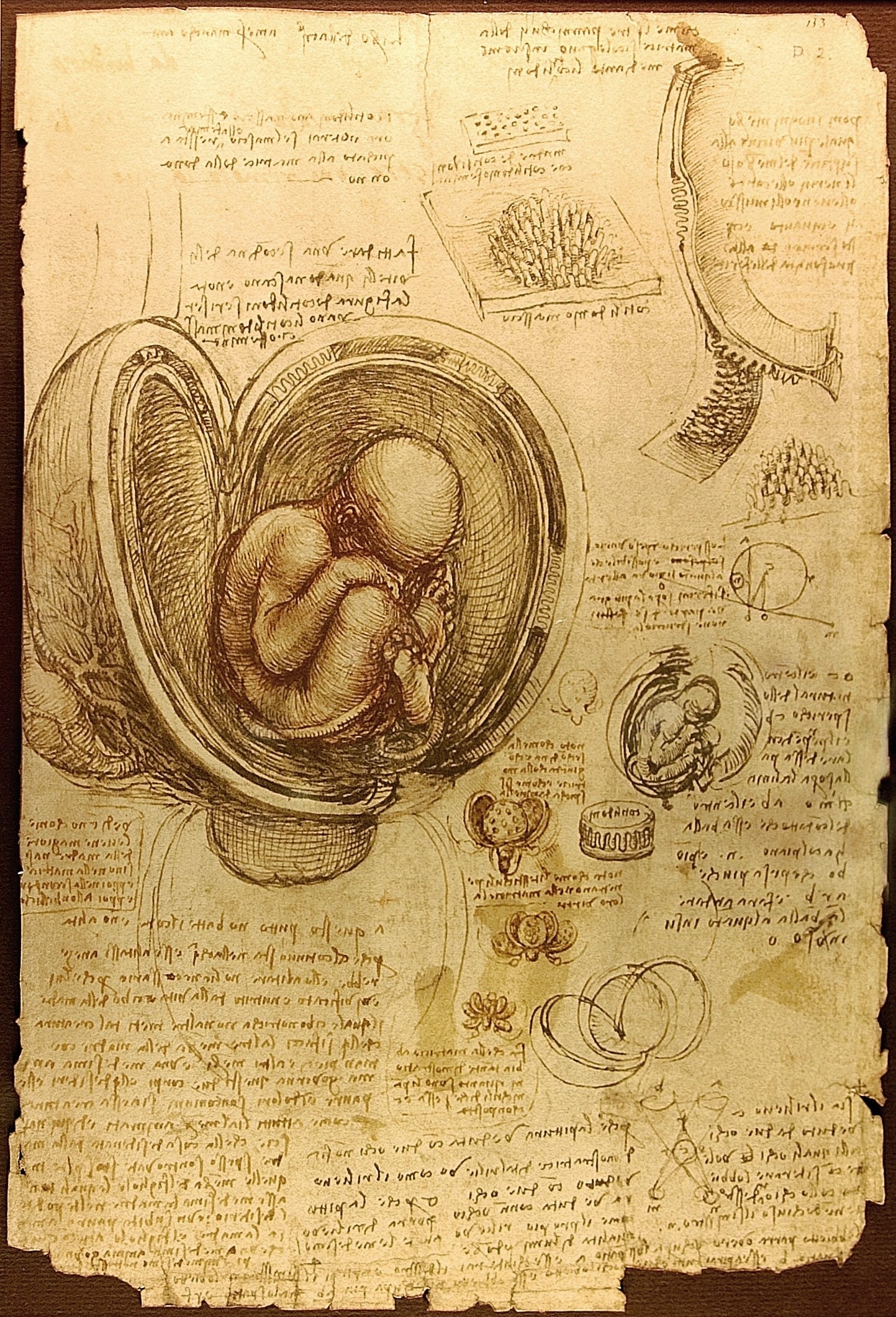
We often think of human development in stages: infancy, childhood, adolescence, and adulthood. But one of the most critical moments of human growth begins well before birth, in the womb. The heart is the first organ to form, but the brain soon follows. It is in this embryonic state that humans begin their first interaction with the world—long before their first cry or the opening of their eyes.
Imagine that the human brain in these early years is like an empty computer hard drive. It has infinite storage, yet it comes with no pre-installed software. From birth to around age seven, this hard drive doesn't choose what to download. It absorbs everything: every behavior, every emotion, every experience that comes its way. This includes positive experiences—such as love, affection, and warmth—as well as negative ones—fear, anger, and neglect. During this critical window of development, young children are especially vulnerable because the part of the brain responsible for critical thinking, the prefrontal cortex, has yet to fully develop. There is no firewall to question or filter what is downloaded. The child doesn’t yet have the tools to judge what is good or bad, right or wrong. Everything is absorbed as truth.
This process of unfiltered learning has profound implications. A child growing up in a nurturing environment where empathy and patience are modeled will naturally adopt those behaviors. On the other hand, a child raised in an environment of chaos or emotional neglect might download fear, insecurity, or anger. This early programming becomes the foundation upon which their personality and worldview are built. And much like a computer running on defective code, these unconscious patterns continue to shape our adult lives, often without our awareness.
What makes this all the more challenging is that we carry these unconscious programs into adulthood. For many people, life becomes a battle to either live in accordance with these early lessons or to try to overwrite them. This is where therapy, self-help, and even substances enter the picture—tools designed to rewire or at least patch the system. Some people spend years in talk therapy, trying to identify and then unlearn these behaviors. Others turn to drugs or alcohol in an attempt to temporarily silence the programming. But neither approach is a guaranteed solution, and often, they only scratch the surface of what is deeply rooted in our neural architecture.
One reason for this is that language—the primary tool we use to understand and communicate our thoughts and emotions—can only go so far. While language is effective at conveying surface-level thoughts, it often falls short in expressing the complexity of emotions or unconscious behaviors that we barely understand ourselves. Think of how difficult it is to describe the sensation of joy, sorrow, or fear without relying on abstract metaphors. Emotions and behaviors are often shaped by forces that are beneath the level of verbal consciousness—deep-rooted patterns encoded before we even had the words to name them.
In that sense, language is both a blessing and a curse. It allows us to articulate our experiences, connect with others, and gain insight into our inner lives. But it also limits us, trapping us within a state of symbols that can never entirely express the complexity of our feelings or the depth of our unconscious minds. This is why some people turn to other methods, like mindful meditation or touch therapies, which bypass the need for words and instead focus on rewiring the brain through experience rather than language.
At its core, human development is a delicate dance between nature and nurture. We are born with certain biological blueprints, but it is our environment—the early programming we receive—that shapes who we become. The challenge for each of us is to recognize the patterns that have been instilled in us, both good and bad, and decide which to keep and which to rewrite. And while language might help us along the way, it is far from perfect in guiding us through the intricacies of the human mind.
In the end, understanding how our early environments shape us is key to becoming the architects of our own lives. But to do so requires a conscious effort to reflect on the codes we carry—and to find the tools, beyond just language, to reprogram them when necessary. Only then can we begin to comprehend life fully, not as it was handed to us, but as we choose to live it.